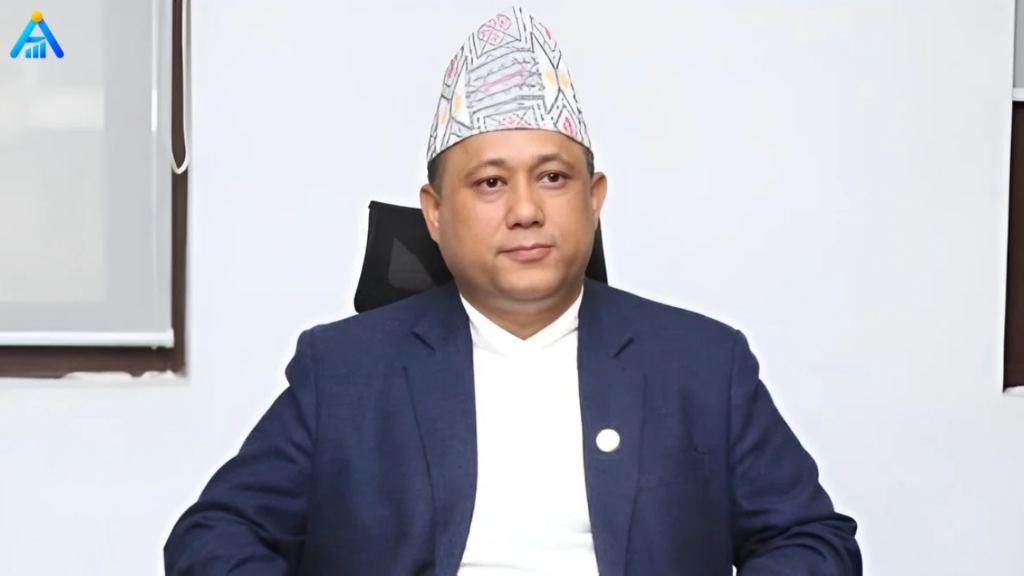
Kathmandu. Foreign Minister Shishir Khanal has said that climate adaptation is not merely a technical or environmental response but also an issue of climate justice. He emphasised that least developed countries (LDCs), despite contributing the least to climate change, are among those most severely affected by its growing impacts.
Khanal made these remarks while addressing the High-Level Dialogue on Adaptation, organised on behalf of the least developed countries during the United Nations climate conference (COP31) in Antalya, Türkiye.
Highlighting the disproportionate impact of climate change on vulnerable nations, he said that countries with the lowest contribution to global emissions continue to face some of the most serious climate-related risks.
Nepal Highlights Human and Economic Losses
During his address, Khanal discussed the human and economic losses caused by recent climate-related disasters in Nepal. He stressed that countries exposed to climate risks cannot afford further delays in taking climate action.
He noted that least developed countries are advancing locally driven and people-centred adaptation initiatives through their National Adaptation Plans. However, he emphasised that international climate finance and support are essential to strengthen these national efforts.
Call for Greater Access to Climate Finance
The Foreign Minister called for international assistance that reflects the changing national needs of climate-vulnerable and less developed countries.
He also stressed the need to translate commitments to increased climate adaptation finance into clear, credible and actionable processes. Simplifying and improving access to climate finance, he added, is equally important.
Emphasis on Community-Led Adaptation
Khanal further called for accelerated adaptation efforts at both national and international levels in line with the UAE Framework for Global Climate Resilience and the Belém Adaptation Indicators.
He emphasised prioritising locally led adaptation initiatives, strengthening local institutions and empowering communities on the front lines of climate risks to identify their own adaptation priorities and investment needs.