Minimum Daily Wage of Rs. 1,740 Set for Public Procurement Workers; Social Security and Insurance Made Mandatory
The government has made minimum wage, social security and insurance provisions mandatory for workers engaged in public procurement activities. Through the issuance of the 'Working Procedure on Workers Engaged in Public Procurement (Remuneration and Social Security), 2083', the government has set a minimum basic daily wage of Rs. 1,450. Including contributions from employers and the concerned public entity, the total daily amount has been set at Rs. 1,740.
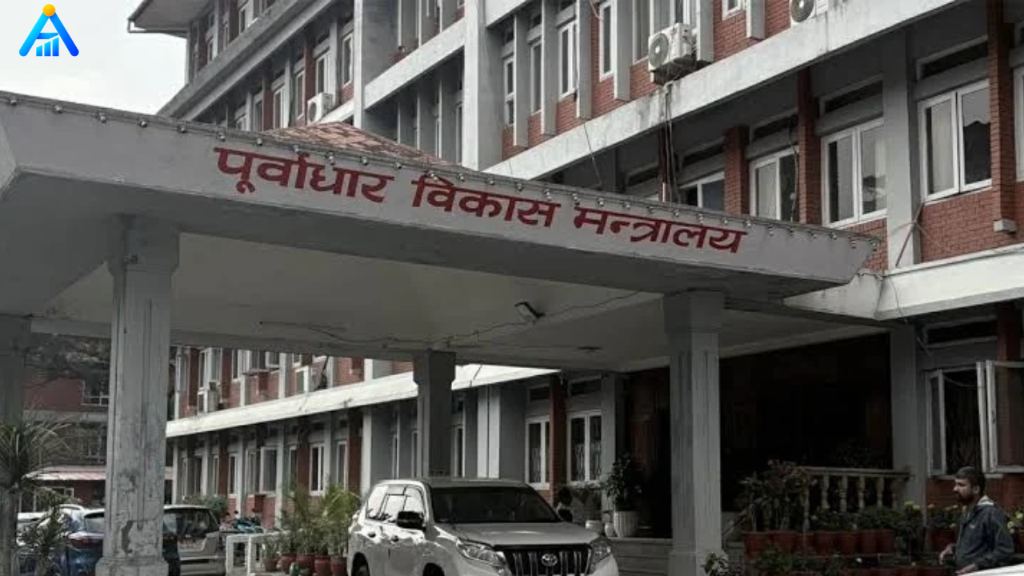
According to the Ministry of Infrastructure Development, the main objectives of the working procedure are to ensure the economic and social security of workers involved in public procurement, protect domestic industries and products, and safeguard the interests of businesses.
Minimum Daily Remuneration Set at Rs. 1,740
Under the working procedure, the minimum basic daily wage for workers has been fixed at Rs. 1,450. An additional 10% contribution from employers and another 10% contribution from the government or concerned public entity will bring the total daily amount to Rs. 1,740.
The amount must be deposited directly into the workers' bank accounts. The procedure also requires minimum remuneration to be determined according to the nature of the work and the skill level of workers.
Equal Social Security Contributions from Employers and Government
The new working procedure makes contributions to the Social Security Fund mandatory for workers employed under public procurement projects. Employers and the government or concerned public entities must each contribute 10%.
The amount payable by public entities towards their contribution must be included in the project cost estimates and rate analysis. This provision is intended to ensure social security coverage for workers involved in public procurement activities.
Penalties for Violating the Provisions
The working procedure also introduces penalties for businesses that fail to comply with its requirements. Depending on the nature of the violation, businesses may face recommendations for blacklisting, cancellation of registration, forfeiture of security deposits and even cancellation of licences.
Similarly, a provision for 15% overhead expenses has been introduced in the procurement of consultancy services. The 10% social security contribution payable by public entities must also be included in the cost estimates.
Minimum Monthly Salary of Rs. 32,607 for Industry and Supplier Workers
The minimum monthly remuneration for workers employed by associated industries, businesses and goods suppliers has been fixed at Rs. 32,607.
In addition to this amount, employers must make the required contributions to the Social Security Fund. They must also provide festival allowances, leave benefits and other applicable allowances and facilities in accordance with existing laws.
Companies Failing to Comply May Be Barred from Public Procurement
Industries, businesses and goods suppliers that fail to comply with the provisions of the working procedure will be prohibited from participating in public procurement processes.
Furthermore, if another business involved in public procurement is found purchasing goods or services from a company or firm that has been prohibited, that business may also face blacklisting.
The provisions of the new working procedure will be mandatory for contracts awarded after its issuance.
Earlier, the government had issued the Directive on the Promotion and Use of Domestic Products in Public Procurement, 2083. The newly introduced working procedure is another step towards ensuring fair remuneration, social security and improved welfare for workers involved in public procurement activities, according to the ministry.